
May
Garcinia cambogia is a plant ingredient sold in a variety of food-supplement formats. Searches for a “Garcinia cambogia review” often bring up ambitious promises, so it is worth starting with the basics: what the plant is, what a product label can tell you and what claims are permitted in Great Britain and the EU.
What is Garcinia cambogia?
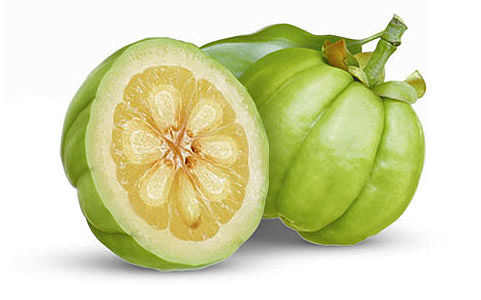
Garcinia cambogia is the botanical name for a small tropical fruit. It is native to South and South-East Asia, particularly southern India. The fruit has a rounded, segmented appearance, and its rind is the part most often referenced in descriptions of Garcinia ingredients.
The fruit has a place in regional food traditions, including as a culinary ingredient and seasoning. That history does not turn a supplement into a medicine, and it does not establish an outcome for a food supplement. A modern supplement should be assessed from its own label and product information.
Some labels name hydroxycitric acid, often shortened to HCA, alongside Garcinia cambogia extract. HCA is a compound associated with the fruit rind. The label should make clear whether it names whole fruit, a rind preparation or an extract, and it should state the amount for the manufacturer’s serving.
Forms sold as supplements
Garcinia cambogia may be sold as capsules, tablets, powders, liquids or sachets. The front of a pack can be brief, so turn it over before comparing products. Look for the full ingredient name, the form of the ingredient and the amount per serving.
An extract is not a synonym for the raw fruit. If a product uses an extract, the label may identify the plant part and any standardisation information. Do not assume that two products are alike because they use the same plant name. Their serving sizes, ingredient lists and directions may differ.
At Naturemedies, product availability can change. Browse our Garcinia cambogia range. The individual product page and the pack label are the relevant sources for current ingredients, serving information and storage directions.
A practical label checklist
When reviewing a Garcinia cambogia product, begin with the recommended serving. Note the stated amount of Garcinia cambogia or extract per serving and, where given, the stated amount of HCA. Then check how many servings the manufacturer recommends per day.
Read the complete ingredients list rather than only the front label. Capsules can include a shell, and powders or liquids can include flavourings, sweeteners, colours, bulking agents or preservatives. Allergen information, dietary suitability, storage instructions, pack size and best-before date are also practical details for a comparison.
Follow the pack directions and do not exceed the recommended daily amount. People who are pregnant or breastfeeding, take medication, or have a medical condition should speak with a doctor or pharmacist before using a food supplement. If the label is incomplete or hard to understand, choose a product whose information is clear.
Claims and product information
Great Britain’s nutrition and health claims register sets out the claims that may be used in commercial communications. It does not list an authorised health claim for Garcinia cambogia or HCA. The EU Register of Health Claims also does not list an authorised health claim for Garcinia cambogia or HCA.
This means a factual review should not attach a health-related outcome to the ingredient. Useful information is still available: the botanical name, the plant part, the product format, amount per serving, other ingredients, directions, storage details and the seller’s current stock information.
Frequently asked questions
Is Garcinia cambogia a fruit?
Yes. Garcinia cambogia is the botanical name for a tropical fruit.
What does HCA mean on a Garcinia cambogia label?
HCA is an abbreviation for hydroxycitric acid, a compound associated with the fruit rind.
What should I compare between Garcinia cambogia products?
Compare the ingredient form, amount per serving, serving directions, other ingredients, storage information, pack size and best-before date.
Food supplements should not be used as a substitute for a varied, balanced diet and a healthy lifestyle.
Register sources checked 23 September 2026: https://www.gov.uk/government/publications/great-britain-nutrition-and-health-claims-nhc-register and https://food.ec.europa.eu/food-safety/labelling-and-nutrition/nutrition-and-health-claims/eu-register-health-claims_en.