
-
×
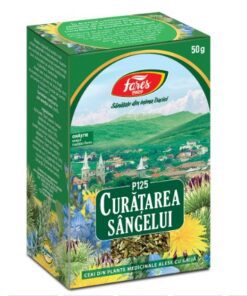 Ceai Curățarea Sângelui P125 50 g Fares
1 × £3.99
Ceai Curățarea Sângelui P125 50 g Fares
1 × £3.99
Blog
Dandelion (Taraxacum officinale): Uses, Benefits & Dosage
Dandelion (Taraxacum officinale) is one of the most widely used plants in European herbalism, and a core herb in our guide to Romanian medicinal herbs in the UK. Dismissed by many as a lawn weed, it has been gathered for food and traditional remedies for centuries across Romania, the wider Carpathian region and most of Europe. This page covers what dandelion is, the difference between root and leaf, its traditional uses, how people take it, and who should be cautious.
What Is Dandelion (Taraxacum officinale)?
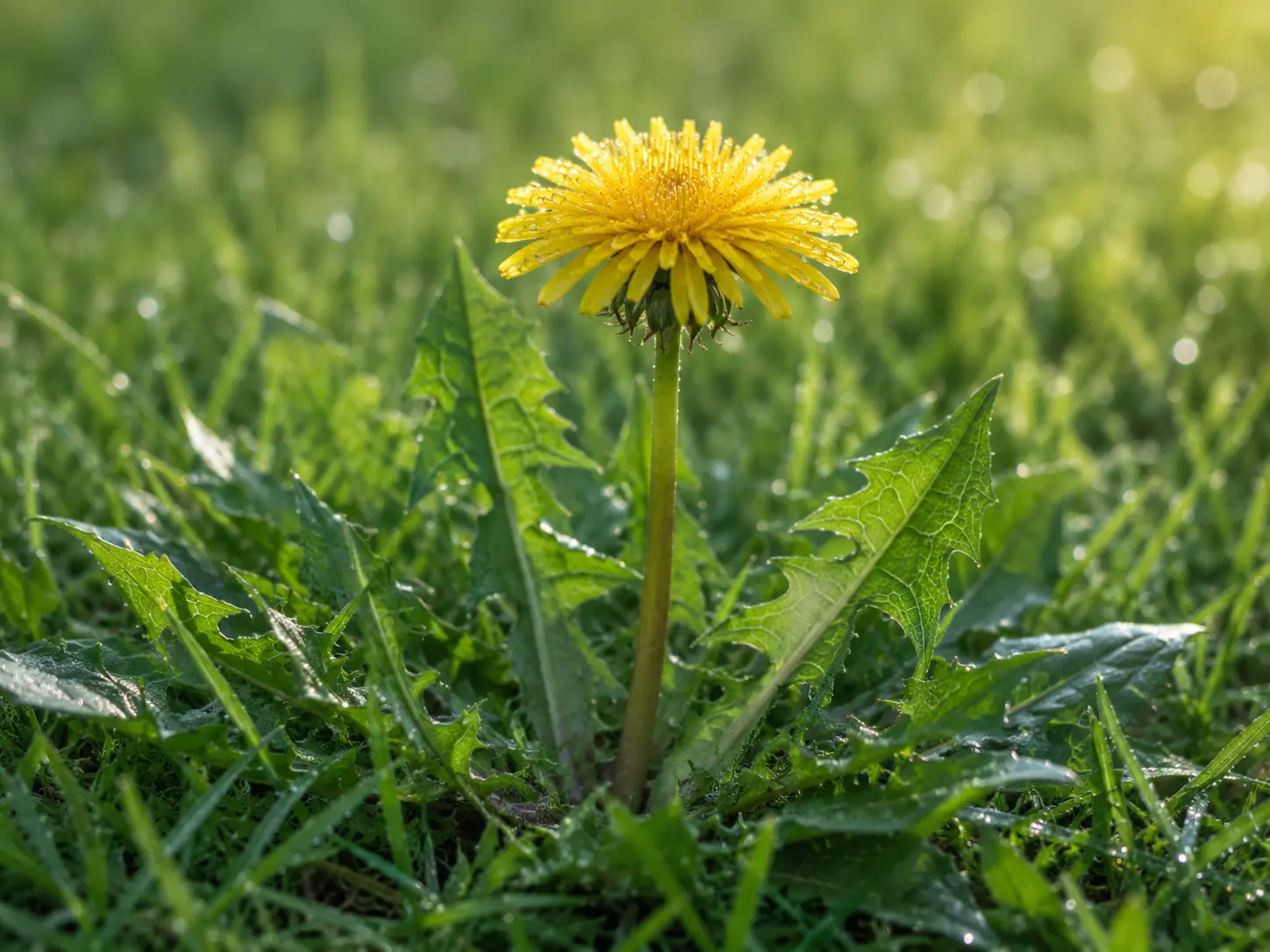
Dandelion is a perennial plant in the Asteraceae family, the same botanical family as daisies, chamomile and marigold. It grows freely across the UK and continental Europe, recognisable by its toothed leaves, bright yellow flower heads and the familiar seed clocks that follow. The common name comes from the French dent de lion (“lion’s tooth”), a reference to the jagged leaf edges.
Almost every part of the plant has a use. The leaves are eaten as a bitter salad green and dried for tea. The root is roasted as a caffeine-free coffee substitute and used in tinctures and capsules. The flowers are made into syrups and infused oils. In traditional Romanian herbalism, the root in particular is associated with the liver and digestion, while the leaf is associated with the urinary system.
Dandelion Root vs Dandelion Leaf
Although they come from the same plant, root and leaf are used differently in herbal practice.
- Dandelion root (radix) — bitterer and richer in inulin, a prebiotic fibre. Traditionally taken to support digestion, appetite and the normal function of the liver and gallbladder. This is the part most often roasted as a coffee alternative.
- Dandelion leaf (folium) — milder, higher in potassium, and traditionally valued for supporting the body’s normal elimination of water. The leaf is the part more commonly drunk as a daily tea.
Many products combine both parts to capture the full traditional profile of the plant.
Traditional Uses of Dandelion
Dandelion appears in European folk medicine mainly as a digestive and “cleansing” herb. These are traditional uses based on long-standing herbal practice rather than confirmed medical effects.
- Digestion and appetite — the bitter compounds in the root and leaf have traditionally been used before meals to encourage normal digestion.
- Liver and bile — in Romanian and wider European herbalism, dandelion root is one of the classic herbs associated with supporting the liver and the normal flow of bile.
- Water balance — the leaf has a long traditional reputation as a gentle support for the body’s natural elimination of fluid.
- Skin and general “spring cure” — dandelion is a traditional ingredient in seasonal detox blends and spring tonics across Eastern Europe.
Nutritional Profile
As a food, dandelion greens are genuinely nutrient-dense. They are a natural source of vitamin A, vitamin C, vitamin K and potassium, and the root contains inulin, a fibre that feeds beneficial gut bacteria. This is part of why the young leaves have long been eaten as an early-spring salad green when little else was available from the garden.
How to Take Dandelion
Dandelion is available in several forms in the UK, and the right one depends on taste and convenience.
- Tea / infusion — 1–2 teaspoons of dried leaf or root per cup, steeped 5–10 minutes, 1–2 cups a day. Root is usually simmered (decoction) for a fuller flavour.
- Tincture — a concentrated liquid extract, taken in water, typically a few times a day according to the label.
- Capsules — standardised and convenient for those who dislike the bitter taste.
- Roasted root “coffee” — a caffeine-free alternative to coffee, popular in the evening.
As with most bitter herbs, dandelion is traditionally taken in courses of a few weeks rather than continuously. Always follow the dosage on the specific product you buy.
Precautions and Who Should Avoid Dandelion
Dandelion is generally well tolerated as a food and herbal tea, but it is not suitable for everyone.
- Asteraceae allergy — avoid if you are allergic to plants in the daisy family (ragweed, chamomile, marigold).
- Gallstones or bile duct obstruction — because of its traditional effect on bile, dandelion should be avoided in these cases unless a doctor advises otherwise.
- Pregnancy and breastfeeding — consult a healthcare professional before use.
- Medication — if you take diuretics, lithium, or medicines processed by the liver, speak to your doctor or pharmacist first.
Shop Dandelion Products
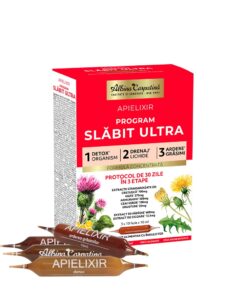
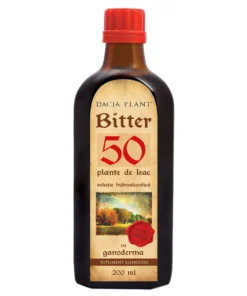
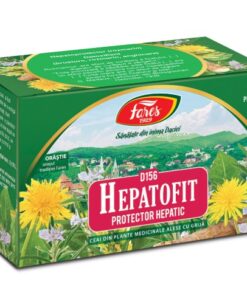
Our dandelion range includes Romanian-sourced root capsules, tinctures and teas.
Out of stock
Albina Carpatina
£48.90
£13.88
£3.99
Out of stock
Fares Romania
£2.99
Where Romanians in the UK Can Buy Dandelion
If you are ordering authentic Romanian herbal products from Britain, dandelion is one of the easiest to find from a trusted source. See our full guide to the farmacia română în UK for how to order safely with UK delivery, and explore the other herbs in our Romanian medicinal herbs hub.
Frequently Asked Questions
Is dandelion safe to drink every day?
Dandelion tea is generally well tolerated, but it is traditionally taken in courses of a few weeks rather than indefinitely. Follow the product label and check with a healthcare professional if you take medication.
What is the difference between dandelion root and leaf?
The root is bitterer and traditionally linked to digestion and the liver; the leaf is milder, higher in potassium, and traditionally linked to the body’s normal elimination of water.
Does dandelion contain caffeine?
No. Roasted dandelion root is naturally caffeine-free, which is why it is popular as a coffee substitute.
Who should not take dandelion?
Anyone allergic to the daisy family, people with gallstones or bile duct obstruction, and those who are pregnant or on certain medications should avoid it or seek medical advice first.
Disclaimer: Food supplements are not a substitute for a varied and balanced diet or a healthy lifestyle. The traditional uses described here have not been evaluated as medical claims and are not intended to diagnose, treat or cure any condition. Consult a healthcare professional if you are pregnant, breastfeeding or taking medication.
