May
Romanian herbal medicine draws on centuries of folk tradition, mountain flora, and a strong pharmaceutical sector that has formalised many traditional preparations into modern food supplements. For Romanians living in the UK — and for anyone curious about Central and Eastern European herbal traditions — accessing these products used to mean a trip back home or asking a relative to send a parcel. That has changed, and our guide to the Romanian pharmacy in the UK explains how the diaspora now buys these products online.
At Naturemedies, we import food supplements directly from established Romanian producers such as Hofigal, Dacia Plant, Herbagetica, Plantavorel, and Rotta Natura. Many of their products centre on a small group of herbs that recur across formulations because they have a long traditional use and broad applications.
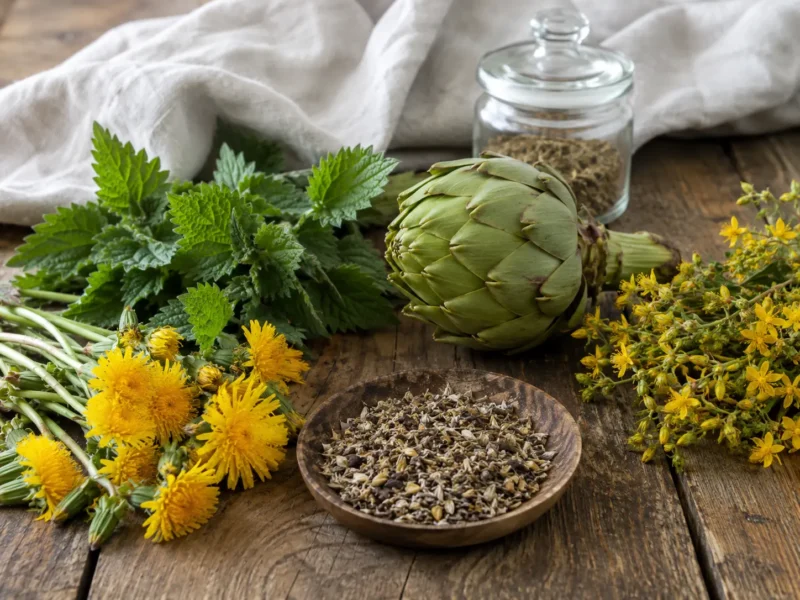
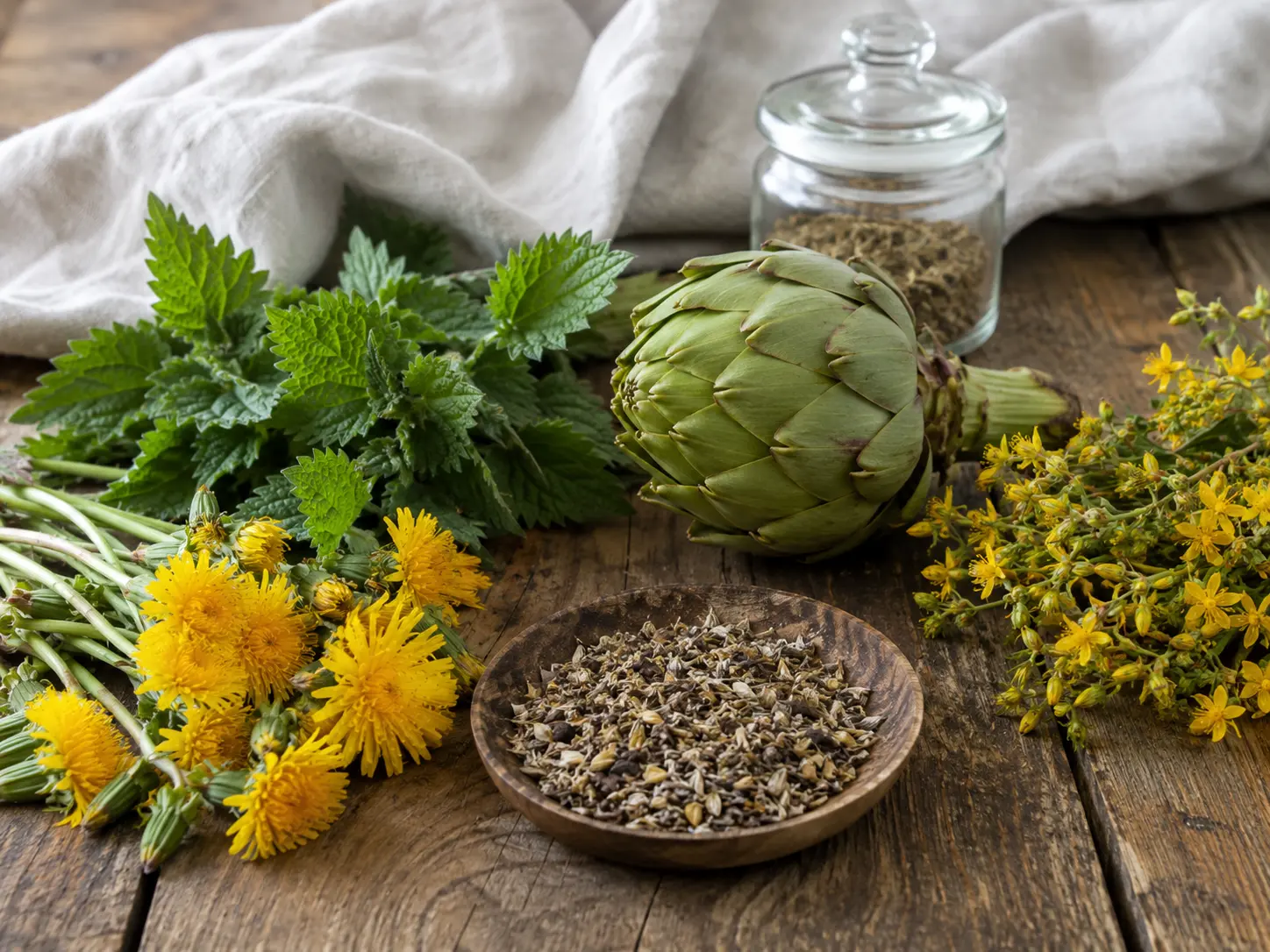
This guide covers six of the most widely used: dandelion, nettle, artichoke, berberine (from Indian barberry), milk thistle, and St John’s wort. For each plant we cover the botanical profile, traditional uses, available forms, and the products on our shop that contain it. Other plants we cover in dedicated articles include Brânca Ursului (Heracleum sphondylium), Napraznic (Geranium robertianum), Turmeric (Curcuma longa), Ginkgo biloba, and Ashwagandha.
The information here is educational. Food supplements are not a substitute for a varied diet, a healthy lifestyle, or medical advice. If you take prescription medication, are pregnant or breastfeeding, or have a chronic condition, consult a healthcare professional before using herbal supplements.
1. Dandelion (Taraxacum officinale)
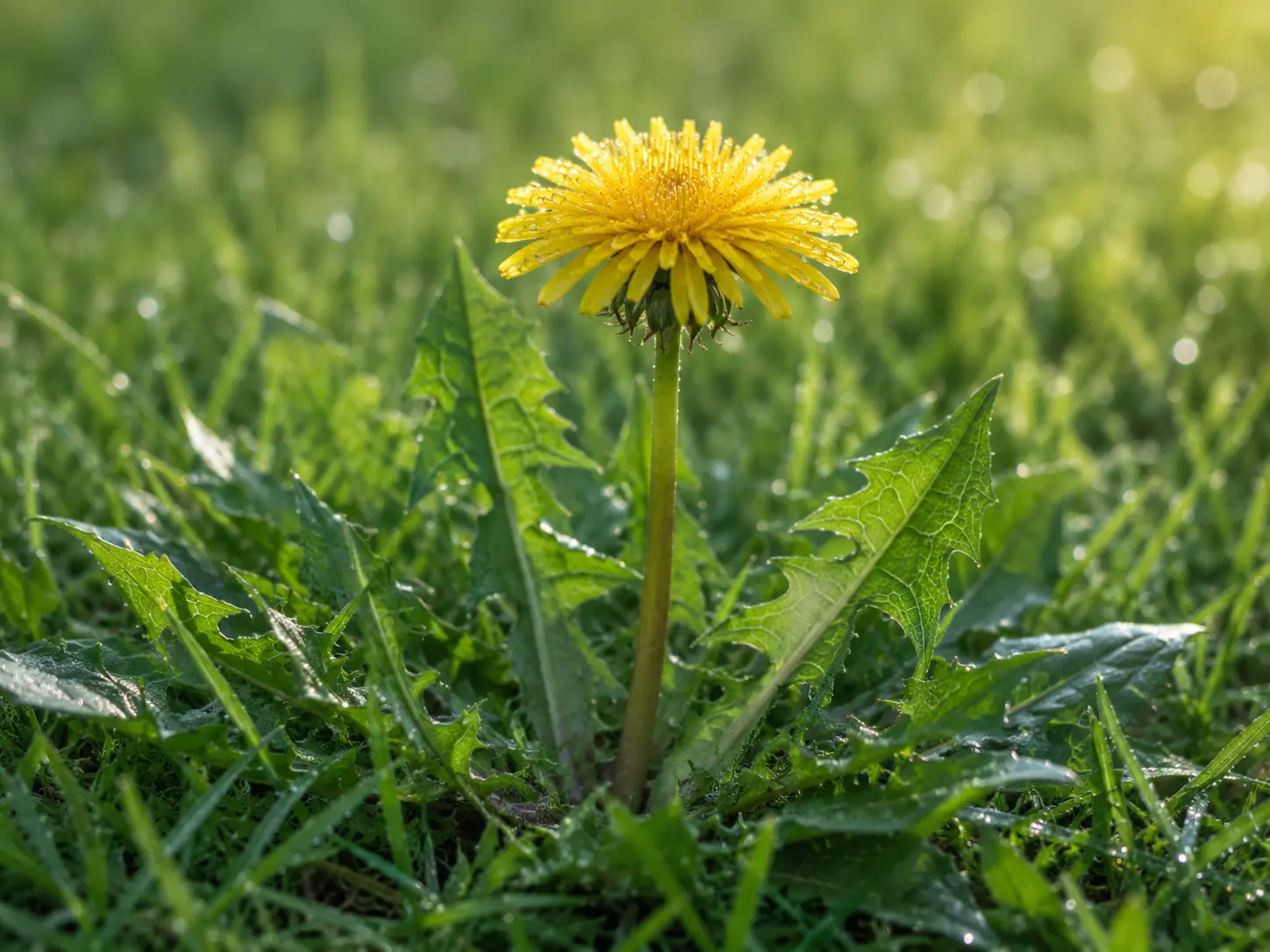
Romanian: păpădie. Known to botanists as Taraxacum officinale (see also the Kew Plants of the World Online entry), dandelion is one of the most familiar plants in European folk medicine. Both the root and the leaves have a long history of use, with somewhat different traditional applications.
The root is bitter and rich in inulin (a prebiotic fibre) and sesquiterpene lactones. In Romanian phytotherapy, root extracts are traditionally used to support liver and bile function and to encourage healthy digestion of fats. The leaf is higher in potassium and has a long traditional reputation as a gentle diuretic, supporting normal urinary function and the body’s natural drainage.
Modern Romanian supplements typically standardise dandelion root extracts in capsule form for liver and digestive support, or use the dried herb as a single-ingredient tea. Tinctures (alcoholic extracts) are also widely available and offer flexible dosing. Dandelion is often combined with two other liver-supporting plants discussed below — artichoke and milk thistle — in compound formulas.
Typical forms available:
- Capsules with standardised root extract
- Loose-leaf or sachet tea (root, leaf, or both)
- Tinctures (alcohol-based)
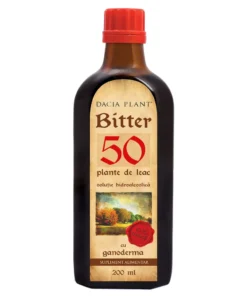
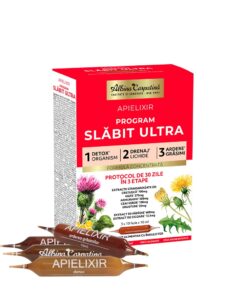
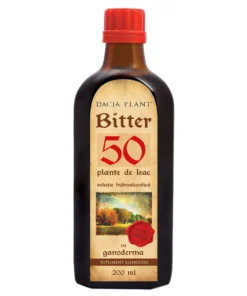
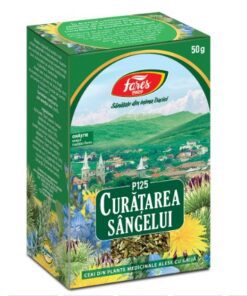
Browse all products tagged with Taraxacum officinale on our shop:
Antioxidants
Albina Carpatina
2. Nettle (Urtica dioica)
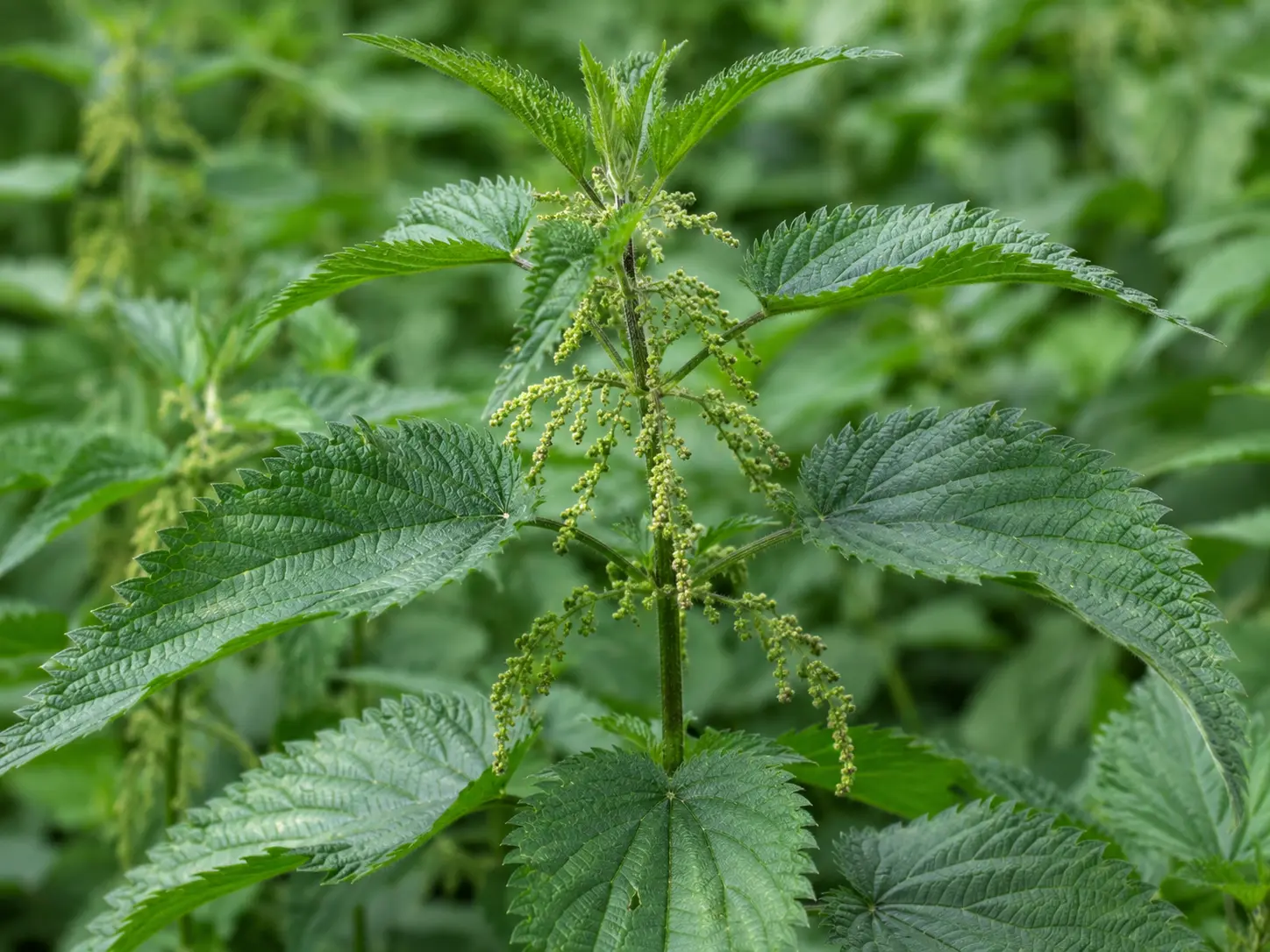
Romanian: urzică. In Romanian households, Urtica dioica (also documented on Kew Plants of the World Online) is not only a herbal remedy — it is also food. Young spring nettle leaves are cooked into traditional soups and stews, and this culinary use overlaps with the plant’s traditional reputation as a “spring tonic” eaten to restore vitality after winter.
Medicinally, three parts of the plant are used. Leaves are traditionally used to support normal urinary function and joint comfort, and they are a notable plant source of minerals including iron and silica. Roots have a separate tradition focused on men’s prostate health. Seeds are less common in supplements but have a small traditional following for general tonic effects.
Nettle leaf is one of the most versatile herbs in the Romanian supplement market: you will find it in single-ingredient capsules, complex tinctures for joint or urinary support, and in many traditional tea blends. Hofigal, Dacia Plant, and Fares all produce nettle-based products. In Romanian folk medicine, nettle is often paired with another traditional herb covered on our site: Napraznic (Geranium robertianum), particularly in women’s wellness blends.
Typical forms available:
- Single-ingredient capsules (leaf powder or extract)
- Tea — single herb or in blends
- Tinctures
- Combinations with horsetail, dandelion, or birch leaf for synergy
Browse all products tagged with Urtica dioica on our shop:
Antioxidants
3. Artichoke (Cynara scolymus)
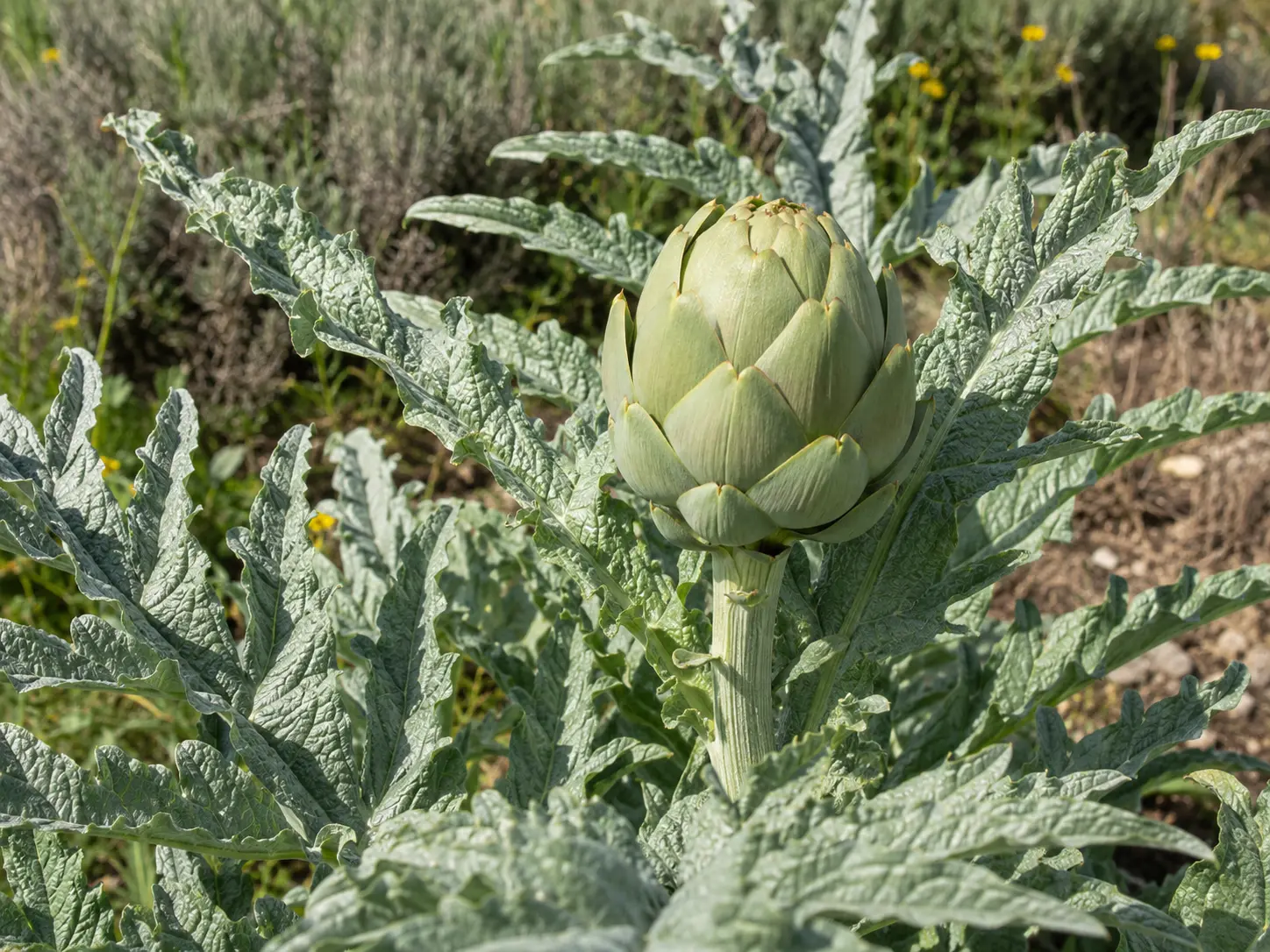
Romanian: anghinare. Romanian herbal medicine has used Cynara scolymus (botanical reference on Kew Plants of the World Online) leaf extracts for liver and bile support for decades, and “anghinare” is one of the most prescribed plant-based supplements in Romanian pharmacies. The plant most people know as a vegetable is, in supplement form, used for the leaf — not the heart you eat.
The leaf contains cynarin, chlorogenic acid, and a range of bitter compounds. Traditional use is consistent: artichoke leaf is taken to support normal liver function, bile flow, and the digestion of fats. Many people use it during periods of heavier eating or as a seasonal liver-support cure of 4–6 weeks.
Romanian preparations are typically standardised capsule extracts or tinctures. Several major Romanian brands offer artichoke as a single ingredient and as part of liver-support formulas combined with milk thistle and dandelion — see our Herbagetica brand page and the Rotta Natura selection for examples.
Typical forms available:
- Standardised leaf extract capsules
- Tinctures (single or compound formulas)
- Liver-support blends with milk thistle and dandelion
Browse all products tagged with Cynara scolymus on our shop:
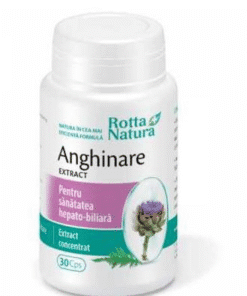
Rotta Natura
Sunwave Pharma
4. Berberine (from Berberis aristata)
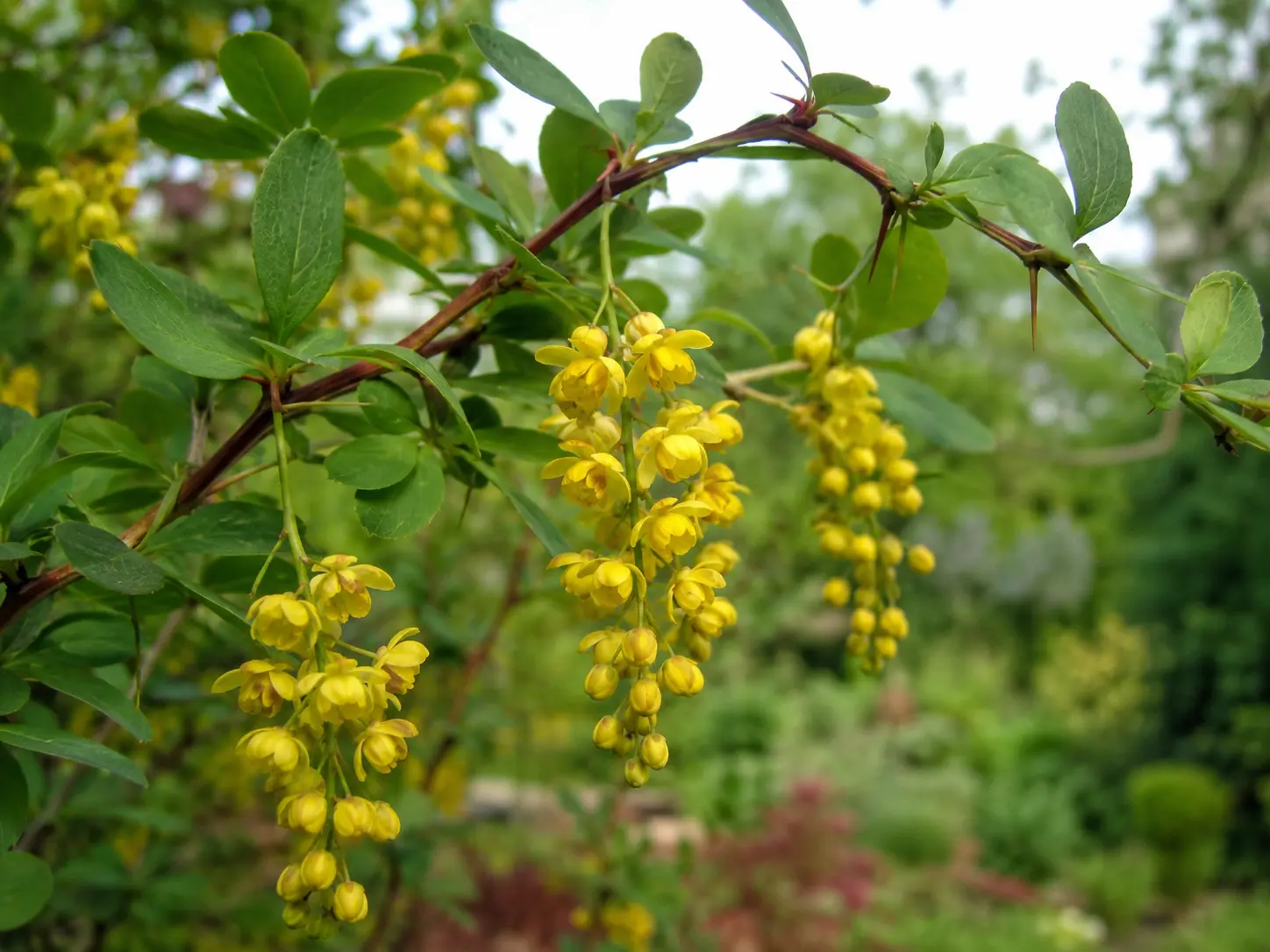
Berberine is the active alkaloid extracted from the root of Indian barberry, botanically Berberis aristata (see Kew Plants of the World Online) and related Berberis species. Unlike the other plants in this guide, berberine has only recently become a mainstream supplement in Romanian and European markets, driven largely by scientific interest in its effects on glucose and lipid metabolism.
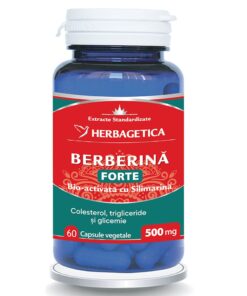
Berberine is sold as a standardised extract, almost always in capsule form, because the active compound is poorly suited to teas and tinctures. Romanian producers such as Herbagetica and Zenyth offer berberine forte products with high-percentage standardised extracts. It is typically taken in cures of 2–3 months.
This is a supplement worth approaching with care. Because berberine can interact with several common medications (including those for diabetes, blood pressure, and blood thinners), and because some people experience digestive side effects, it is one of the herbs in this guide where prior consultation with a healthcare professional is most strongly advised.
Typical forms available:
- Standardised extract capsules (Berberina Forte and similar)
- Combined formulas with chromium or alpha-lipoic acid for metabolic support
Browse all products tagged with Berberis aristata on our shop:
5. Milk Thistle (Silybum marianum)
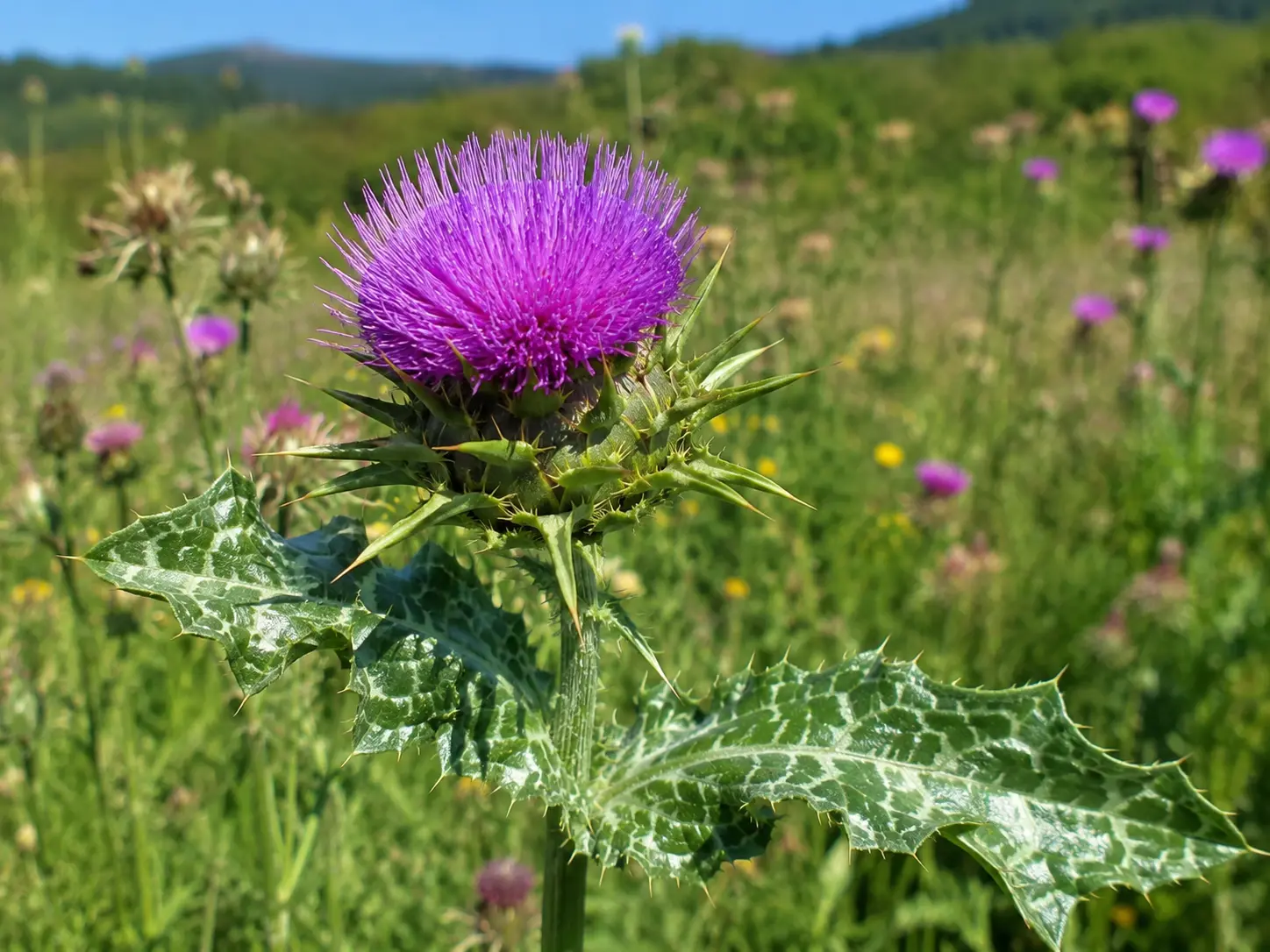
Romanian: armurariu. If artichoke is the well-known Romanian liver herb, Silybum marianum (botanical record at Kew Plants of the World Online) is its better-studied modern counterpart. The seeds contain silymarin — a complex of silybin, silydianin, and silychristin — which has been extensively researched in the context of liver function.
Romanian phytotherapy uses milk thistle seed extracts for general liver support, particularly during periods of heavier dietary load, alcohol consumption, or recovery. It is often combined with artichoke and dandelion in liver-protection formulas. Because silymarin is poorly soluble in water, capsule extracts are far more common than teas or tinctures.
Quality varies significantly between products. The standardisation percentage (typically 70–80% silymarin) is the main differentiator. Romanian brands such as Hofigal, Plantavorel, and Dacia Plant offer milk thistle as a single ingredient and in compound formulas.
Typical forms available:
- Standardised seed extract capsules
- Crushed seeds for infusion (less effective than extracts)
- Liver-protection compound formulas
Browse all products tagged with Silybum marianum on our shop:
Detoxifiere
Antioxidants
Albina Carpatina
6. St John’s Wort (Hypericum perforatum)
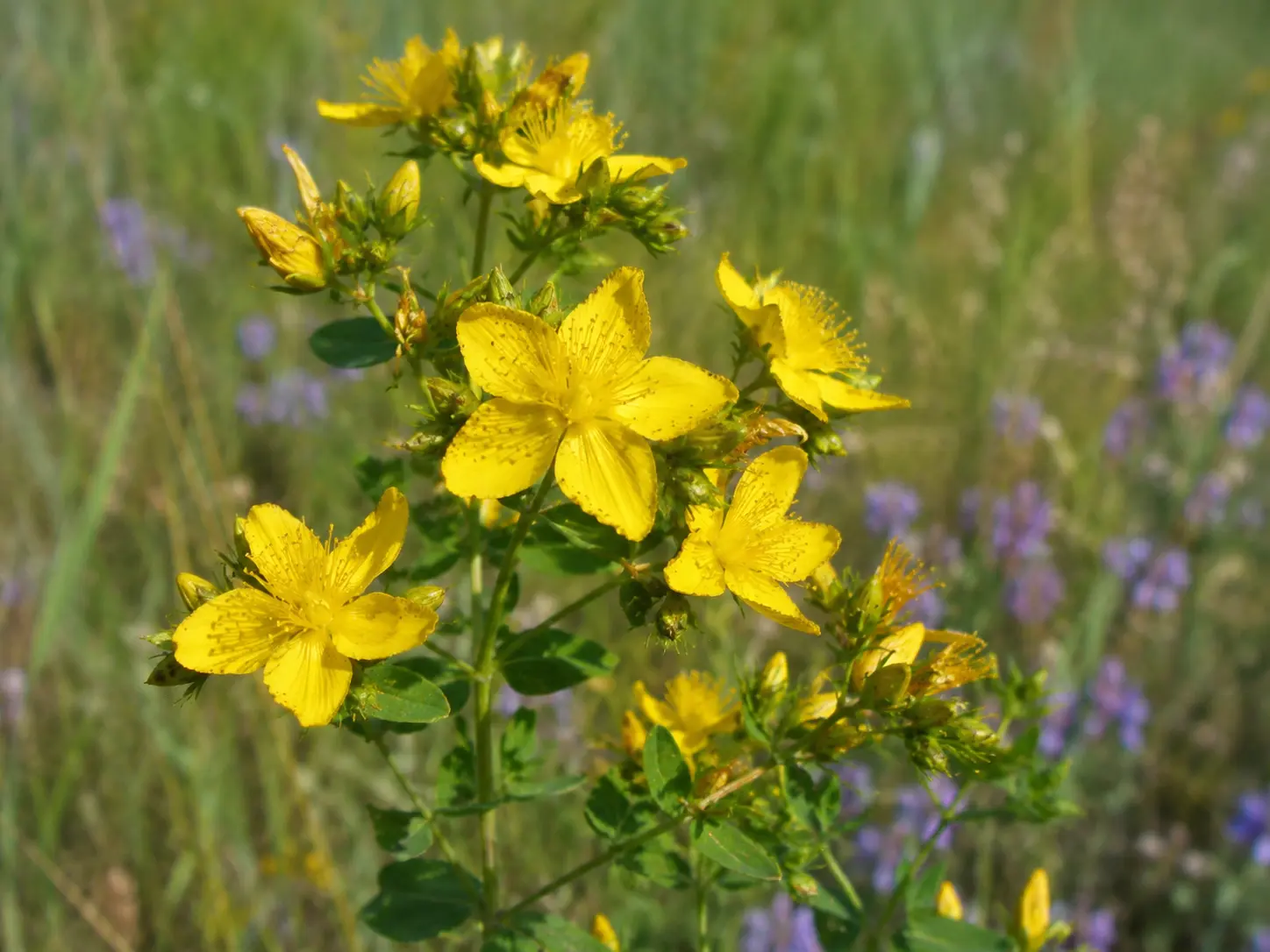
Romanian: sunătoare. Bright yellow flowers gathered around the summer solstice — Saint John’s Day, 24 June — give Hypericum perforatum (see Kew Plants of the World Online) its common name across European languages. Romanian traditional medicine has long used it both as an internal preparation (tincture or tea) and externally as a red-coloured infused oil used on the skin.
The aerial flowering parts contain hyperforin and hypericin, among other compounds. Traditional internal use is associated with emotional balance and well-being, while the topical oil has a long tradition for minor skin irritations and superficial use after sun exposure. For other plants used traditionally in women’s wellness during the menstrual cycle, see our article on natural remedies for PMS.
This herb requires more care than the others on this list. St John’s wort has well-documented interactions with many prescription medications — including antidepressants, hormonal contraceptives, anticoagulants, immunosuppressants, and some heart medications — because it speeds up the liver enzymes that break down these drugs. Anyone on any prescription medication should consult their doctor or pharmacist before using St John’s wort internally.
Typical forms available:
- Tincture (alcohol-based)
- Tea / dried herb
- Capsules with standardised extract
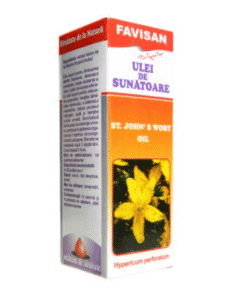
- Topical red oil (external use only)
Browse all products tagged with Hypericum perforatum on our shop:
Sleep&Calm
Faunus Plant
How to Choose a Herbal Supplement
A few practical principles when picking products from this list — or from any herbal supplement range:
Choose the right form for the herb. Lipid-soluble compounds (silymarin in milk thistle, berberine) work best as capsule extracts. Water-soluble traditional uses (nettle leaf for urinary support, dandelion as a gentle diuretic) work in teas. Tinctures sit in between and offer dosing flexibility.
Check for standardisation. Capsule products that specify a percentage of active compounds (for example “70% silymarin” or “min. 95% berberine”) are easier to dose consistently than products listing only raw plant material.
Start with one herb at a time. This makes it easier to notice how your body responds, especially if you are new to herbal supplements.
Plan for cures, not single doses. Most traditional uses are based on courses of 4–12 weeks with breaks between. Single-dose use is uncommon in Romanian phytotherapy.
Talk to your doctor first if you take medication. This applies particularly to berberine and St John’s wort, but is sound advice for any herbal supplement when prescription medicines are in the picture.
Related Reading on Naturemedies
If you are exploring Romanian herbal traditions, these articles on our site cover related topics in more depth:
- Brânca Ursului (Heracleum sphondylium) — Hogweed in the UK
- Napraznic (Geranium robertianum) — Herb Robert in the UK
- Turmeric (Curcuma longa) — Traditional and Modern Uses
- Ginkgo biloba — Benefits and Uses
- What is Ashwagandha (Withania somnifera)?
- Natural Remedies for PMS
- Farmacia română în UK — Ghid pentru diaspora
- Farmacia românească din UK — Main hub
Disclaimer
The information in this article is for educational purposes only and is not intended as medical advice. Food supplements are not a substitute for a varied and balanced diet or a healthy lifestyle. Do not exceed the recommended daily dose listed on each product. Keep out of reach of young children. If you are pregnant, breastfeeding, taking prescription medication, or living with a chronic condition, consult a healthcare professional before using any herbal supplement.
Frequently Asked Questions
Are Romanian herbal supplements available in the UK?
Yes. Naturemedies imports food supplements directly from established Romanian producers including Hofigal, Dacia Plant, Herbagetica, Plantavorel, and Rotta Natura, and ships across the UK.
Which Romanian herbs are most commonly used for liver support?
Artichoke (anghinare), milk thistle (armurariu), and dandelion (păpădie) are the three plants most often used in Romanian liver-support formulas, frequently combined together in compound capsules.
Is St John’s wort safe to take with medication?
St John’s wort interacts with many prescription medicines including antidepressants, hormonal contraceptives, anticoagulants, and several heart medications. Consult your doctor or pharmacist before taking it if you are on any prescribed treatment.
What is berberine used for?
Berberine is a standardised plant alkaloid extracted from Berberis aristata. It is taken as a food supplement primarily for support of normal glucose and lipid metabolism, typically in courses of 2–3 months.
Are nettle leaves the same as nettle root?
No. Nettle leaf and nettle root have different traditional uses. Leaves are typically used for urinary tract support and joint comfort, while root extracts have a separate tradition for men’s prostate health.