Feb
Heracleum sphondylium — known to Romanians as branca ursului and in English as common hogweed or cow parsnip — is one of the most misunderstood plants in the wild-foraging and herbal world. It is confused with a dangerous lookalike, tangled in folk reputation, and still quietly stocked by Romanian households in the UK. This guide separates what the plant actually is from what it is claimed to do.
About the plant
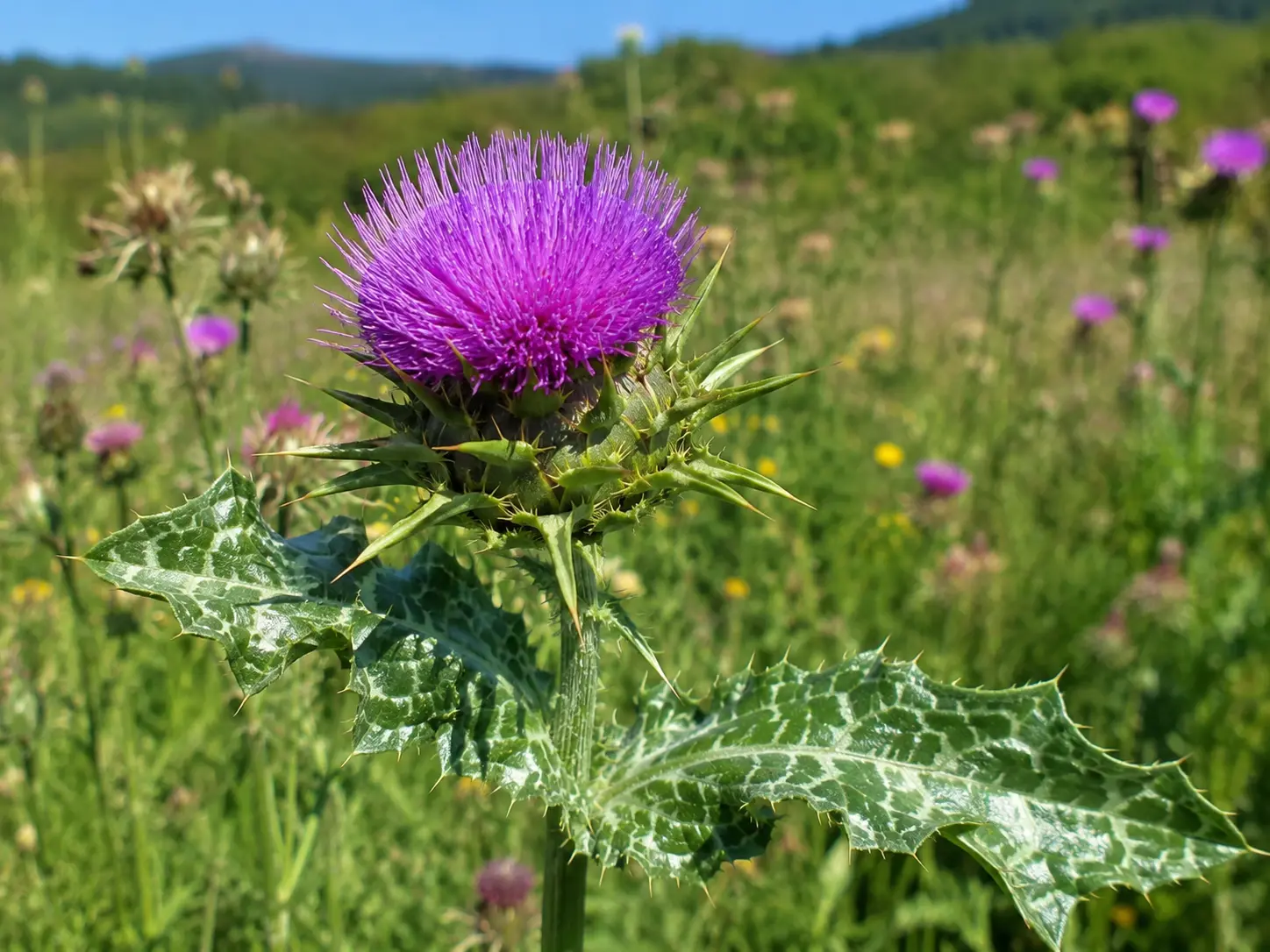
Branca ursului (Heracleum sphondylium) is a tall member of the carrot family (Apiaceae), the same botanical family as celery, parsley, fennel and dill. It grows across Europe, including throughout the UK, reaching roughly one to two metres, with a ridged hairy stem, broad lobed leaves, and wide white umbrella-shaped flower clusters called umbels. In Romania it grows freely in meadows and along forest edges, which is where its traditional use began.
The name branca ursului — “the bear’s paw” — refers to the shape of its large leaves, not to any property of the plant. The Latin name matters more than the folk name here, because the folk name is shared loosely with several plants and the Latin name is what tells you exactly what you are dealing with.
Branca ursului vs Giant Hogweed: the safety question
This is the single most important section, so read it before anything else.
Heracleum sphondylium (common hogweed, branca ursului) is not the same plant as Heracleum mantegazzianum (Giant Hogweed). They share a genus and a family resemblance, which is exactly why they are confused, but they are different species with different risk profiles. Giant Hogweed is far larger — often three to five metres — and its sap is strongly phototoxic, capable of causing severe skin burns and blistering on contact followed by sun exposure. Common hogweed is smaller and far less aggressive.
That said, common hogweed is not entirely inert. Like many Apiaceae plants, it contains furanocoumarins, and handling the fresh sap can cause mild photosensitivity in some people. This is a reason to be sensible with the raw plant, not a reason to treat it as Giant Hogweed. Commercially prepared tinctures, capsules and teas are made from processed plant material, which is a different proposition from cutting the fresh stem in your garden.
If you cannot confidently tell the two species apart, do not forage either one. Buy a prepared product from a known source instead.
Traditional uses
In Romanian and wider European folk medicine, branca ursului has a long history of traditional use. It was traditionally taken as a general tonic and was associated with digestion, respiratory comfort, and overall vitality. Older herbal traditions also used it in preparations intended to support circulation and energy.
It is important to be precise about what that means. These are traditional, historical uses. There are no authorised EU health claims for Heracleum sphondylium under EFSA Regulation 1924/2006, and the traditional reputation of a plant is not the same thing as proven clinical effect. We describe the tradition because it is real and because it is why the plant is sought out — not as a promise of any result.
Branca ursului and fertility
Branca ursului carries a particular folk reputation as a reproductive and vitality tonic, used traditionally by both men and women. This reputation is the reason many people search for it in the first place, so it deserves an honest answer rather than a silent omission.
The honest answer is this: the fertility reputation is traditional and anecdotal. There is no robust clinical evidence that branca ursului treats infertility or improves fertility outcomes, and no authorised health claim permits us to say that it does. Fertility is a medical matter with many possible causes, and it is one of the areas where relying on folk reputation instead of proper investigation can cost people time they do not have.
If you or your partner are dealing with fertility difficulties, the right first step is a GP or a fertility specialist — not a herbal tonic. A traditional plant can sit alongside medical care if a qualified professional agrees, but it is not a substitute for it.
Available forms
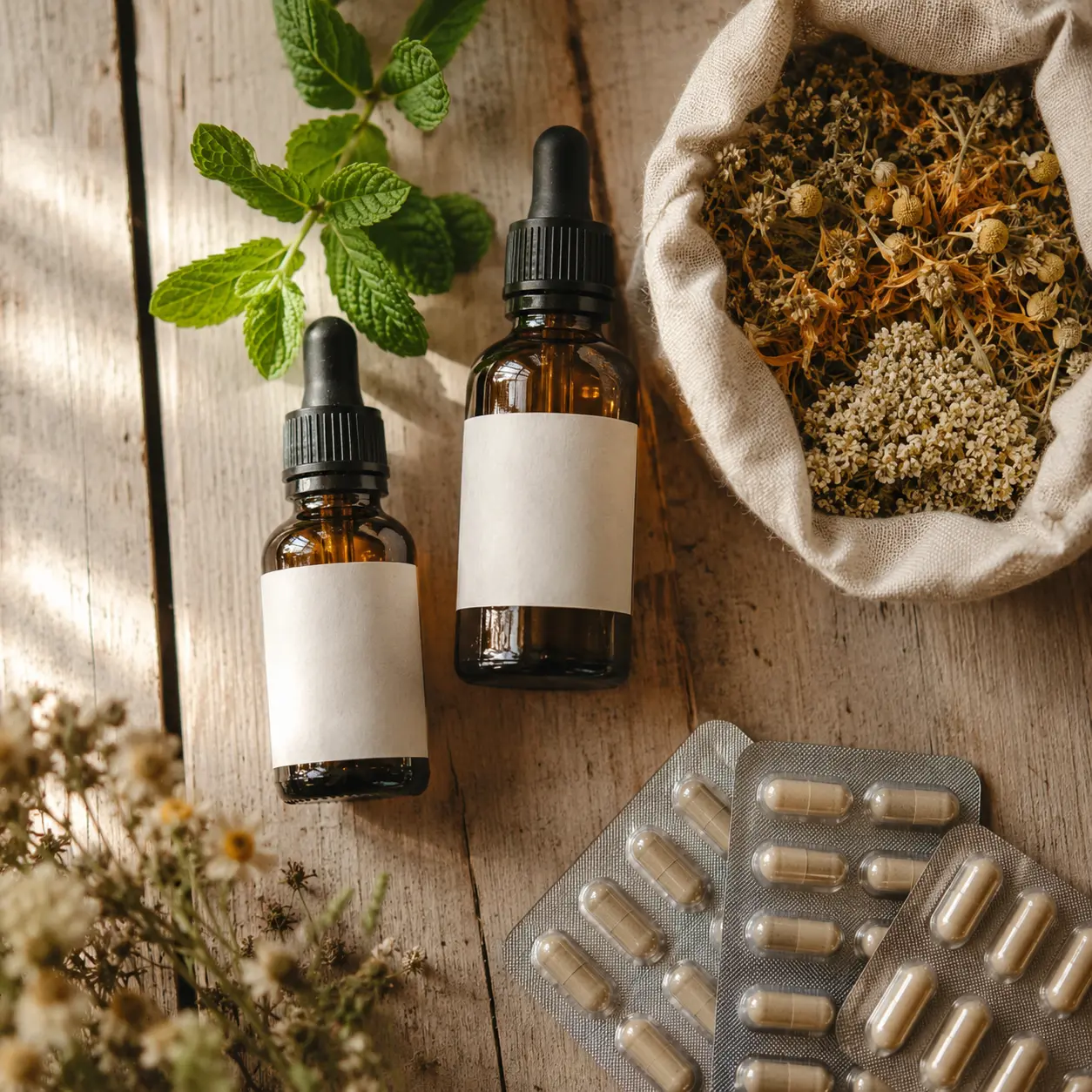
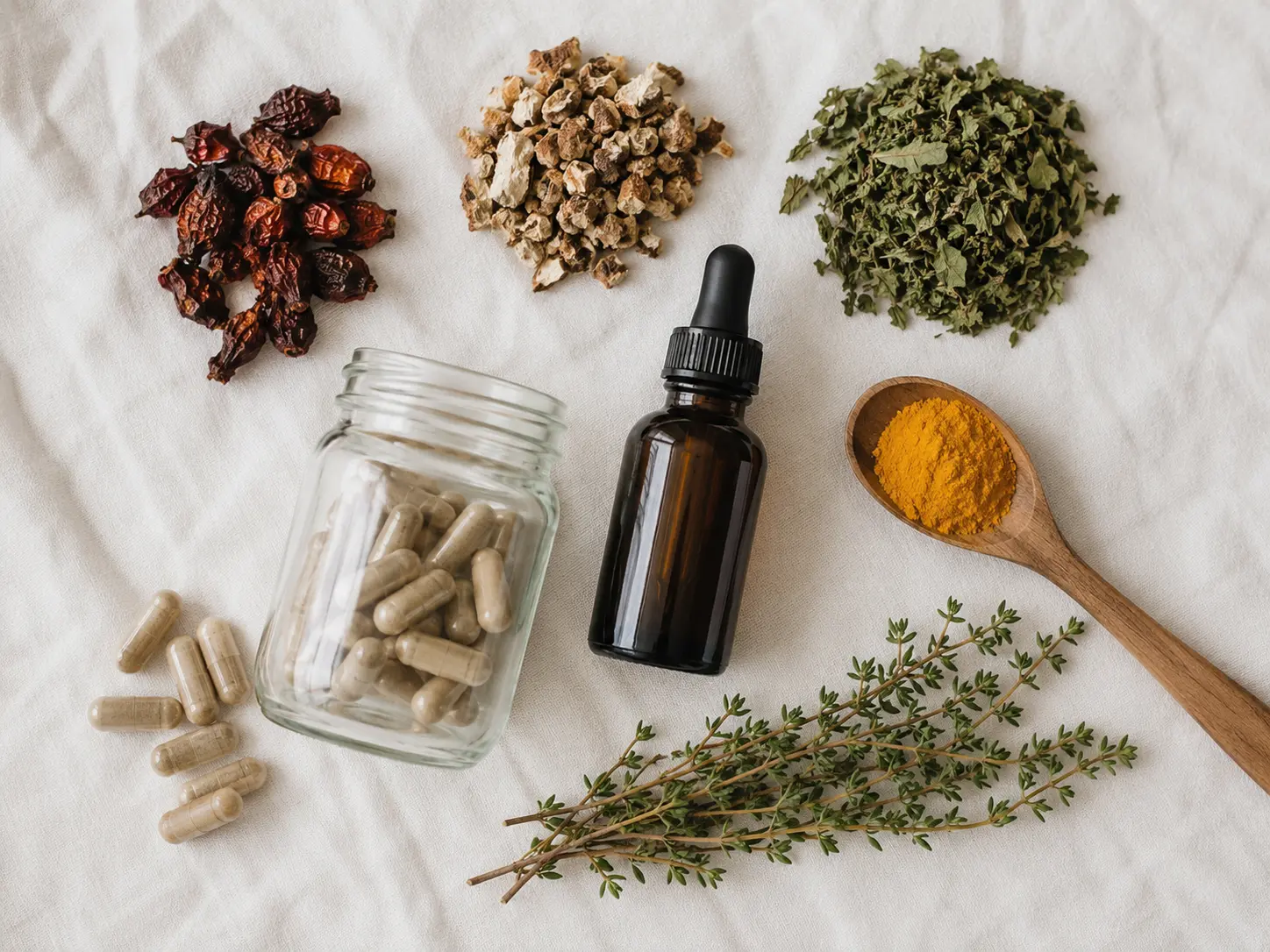
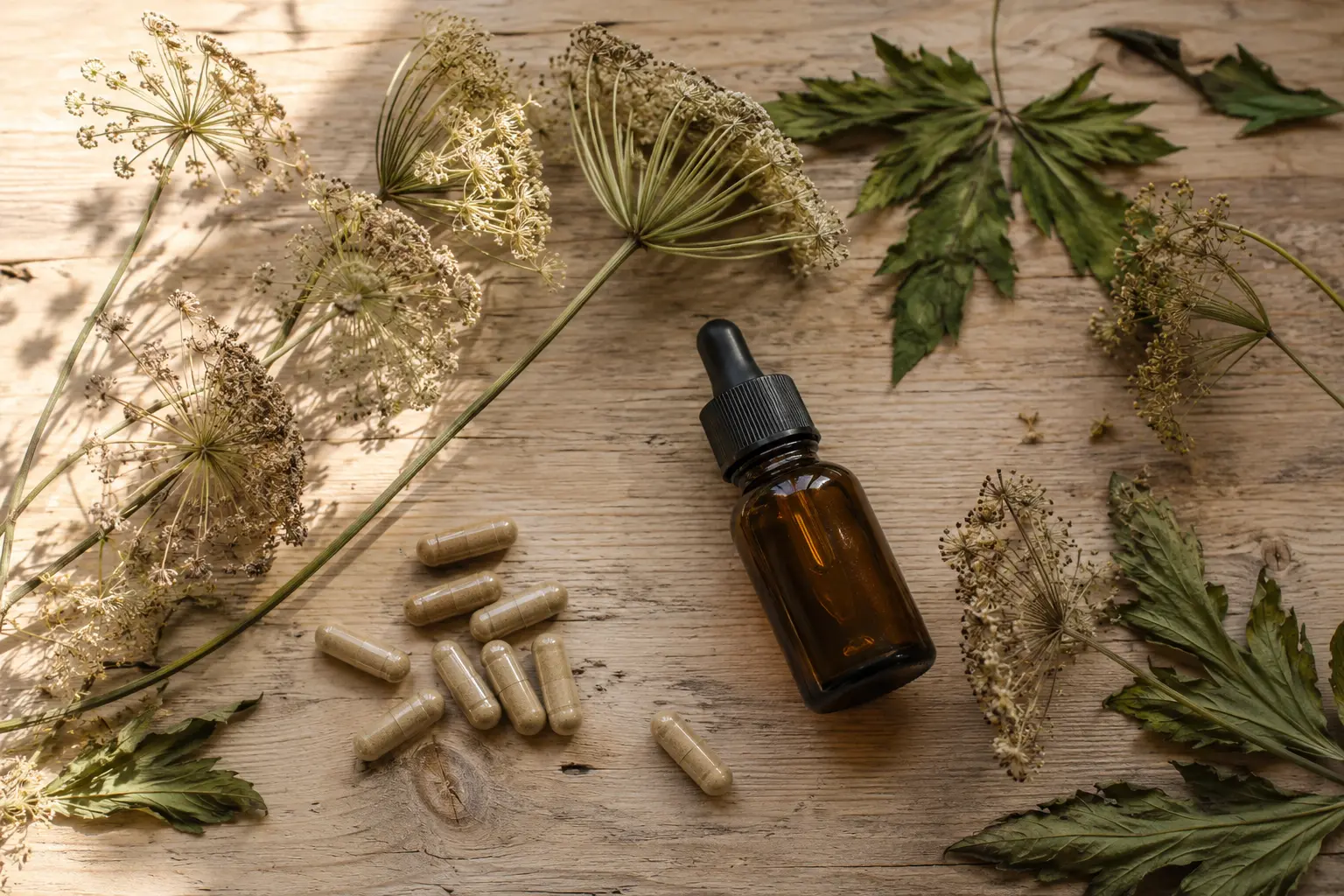
Branca ursului is sold in several formats, and the right one depends on preference rather than effectiveness:
- Tincture — an alcohol-based liquid extract, taken in drops diluted in water. Concentrated and quick to dose.
- Capsules — powdered plant material in a measured dose, with no taste and easy to carry.
- Tablets / comprimate — a pressed format, similar in principle to capsules.
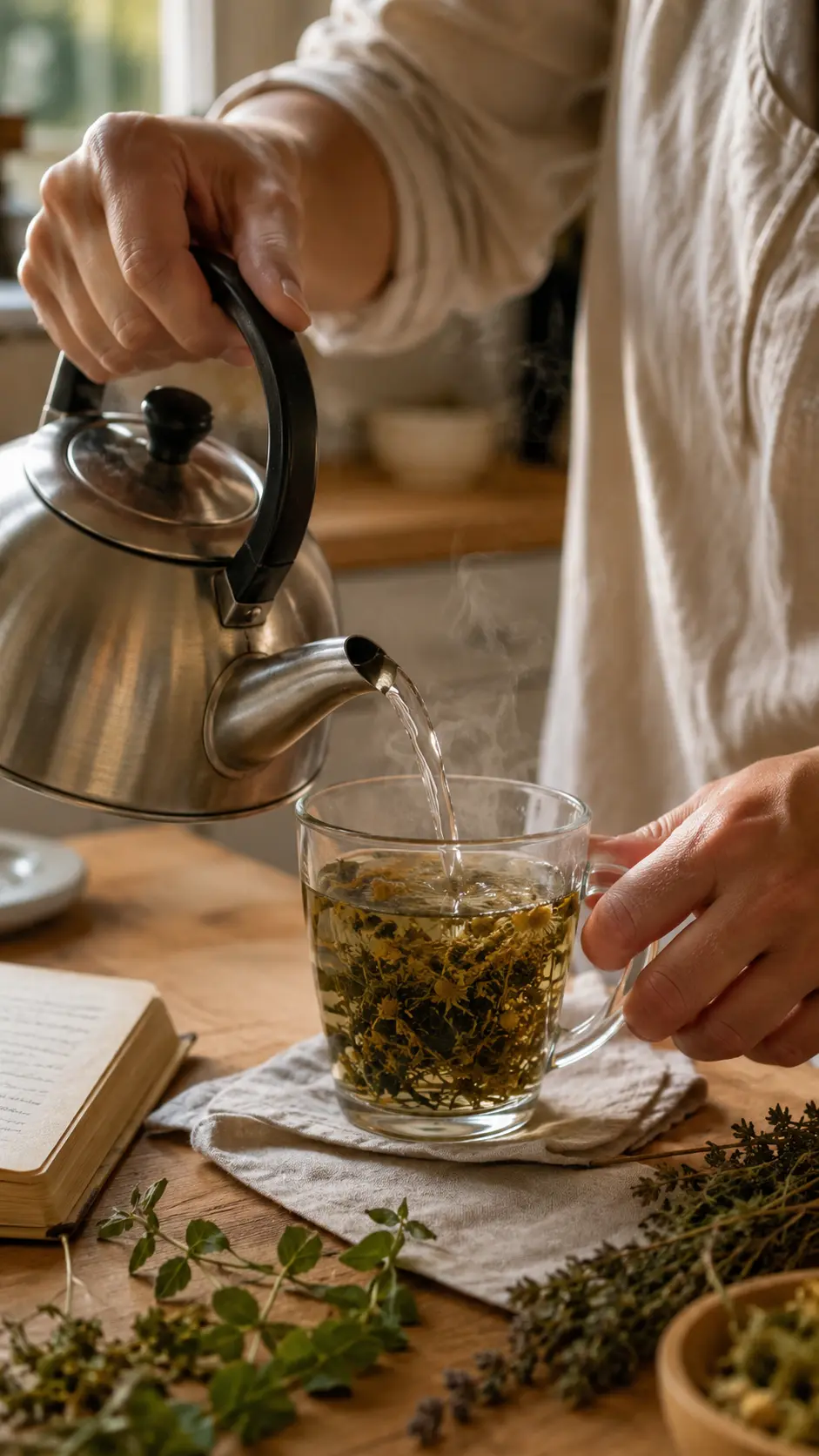
- Dried herb / tea — the traditional infusion, closest to historical use.
How it is traditionally taken
Always follow the dosage printed on the specific product you buy, because concentration varies between manufacturers and formats. As a general guide, tinctures are taken as a set number of drops in water once or twice a day, and capsules or tablets follow the count stated on the label. Traditional teas are made as a standard infusion. Do not exceed the manufacturer’s stated dose on the assumption that more is better.
Branca ursului products at Naturemedies
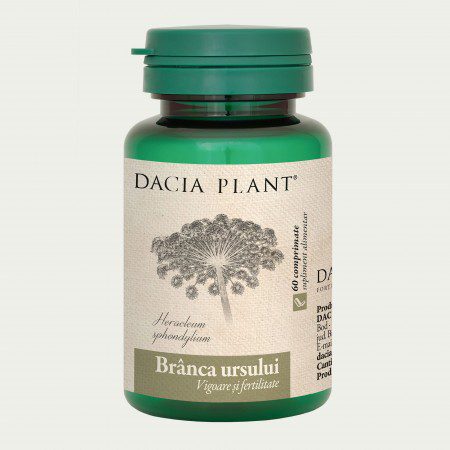
We stock branca ursului in capsule and tincture form, imported from established Romanian producers. Browse the full selection on our branca ursului category, or go straight to the branca ursului capsules.
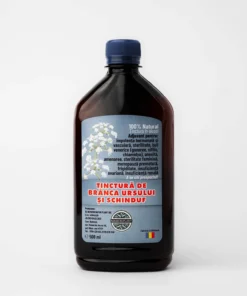
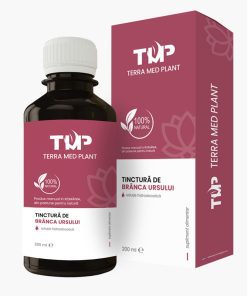
Terra Med Plant
Branca ursului sits within our broader range of Romanian botanicals. If you are exploring traditional herbs more widely, see our guide to Romanian medicinal herbs in the UK and our profile of napraznic (Geranium robertianum). For the full Romanian pharmacy range, visit our Romanian pharmacy in the UK hub, or read our guide for Romanians buying natural remedies in the UK.
Precautions and contraindications
- Apiaceae allergy — if you react to celery, carrot, parsley or fennel, avoid branca ursului, as cross-reactivity within the family is possible.
- Photosensitivity — furanocoumarins in the plant may increase skin sensitivity to sunlight in some people.
- Pregnancy and breastfeeding — avoid, as there is insufficient safety data.
- Medication and existing conditions — speak to a pharmacist or doctor before use if you take prescription medicines or have a chronic condition.
- This is a food supplement, not a medicine, and is not intended to diagnose, treat, cure or prevent any disease.
Frequently asked questions
Is branca ursului the same as Giant Hogweed?
No. Branca ursului is Heracleum sphondylium (common hogweed). Giant Hogweed is Heracleum mantegazzianum, a larger and genuinely dangerous species whose sap causes severe burns. They are different plants.
Does branca ursului help with fertility?
It has a traditional folk reputation as a reproductive tonic, but there is no clinical proof it improves fertility and no authorised health claim. Fertility concerns should be assessed by a doctor.
What is the English name for branca ursului?
Common hogweed, sometimes called cow parsnip. The Latin name is Heracleum sphondylium.
Can I forage it myself in the UK?
Only if you can reliably distinguish it from Giant Hogweed and other Apiaceae lookalikes. If there is any doubt, buy a prepared product instead.
How do I take it?
Follow the dose on the product label. Tinctures are taken as drops in water; capsules and tablets follow the stated count.
Disclaimer
This article is for general information only and describes traditional uses. It is not medical advice and does not replace consultation with a qualified healthcare professional. Food supplements are not a substitute for a varied diet and a healthy lifestyle. If you are pregnant, breastfeeding, taking medication or managing a health condition, consult your doctor or pharmacist before use.